
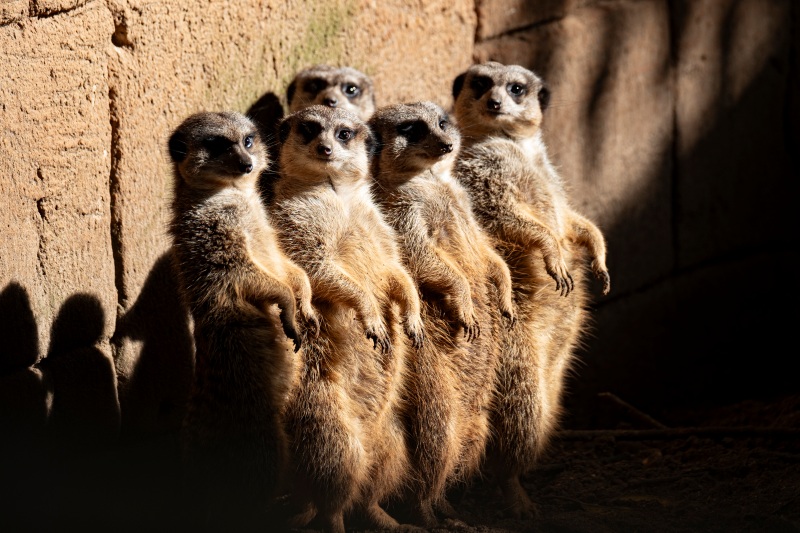
The zoo is home to around 150 species and approximately 1,200 animals and is preparing to welcome new residents
For the past 26 years, Lagos Zoo has gradually established itself as a reference in wildlife showcase and conservation.
Since opening its doors on November 16, 2000, the park has undergone remarkable growth, both in the diversity of species it houses and in the number of habitats it has developed.
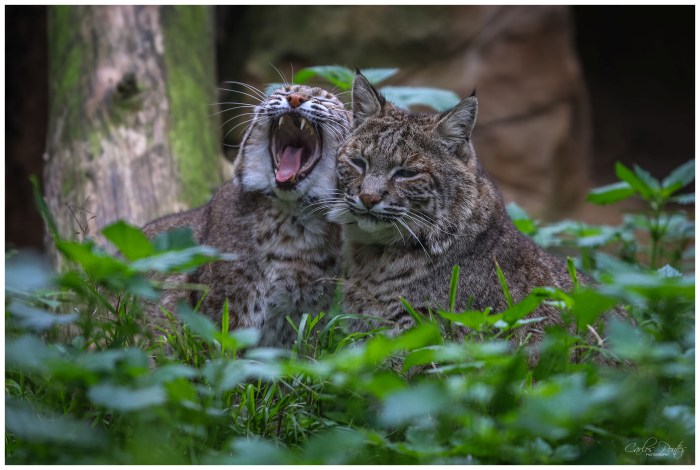
Despite the changes and expansion, the guiding principle behind the project remains the same: “We continue to fulfil our objectives and contribute to the conservation of nature and the happiness of the people who visit us,” emphasises the director of Lagos Zoo, Paulo Figueiras.
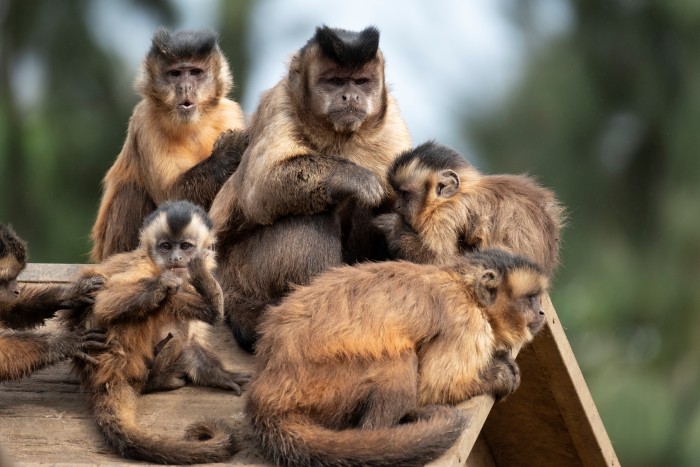
What began as a modest project featuring capuchin monkeys, a handful of other primates and a few bird species has evolved into a thriving park that today cares for around 150 species and approximately 1,200 animals, as well as fauna and flora from different parts of the world.
Over the years, new additions have continued to broaden the diversity of animals that visitors can find here.
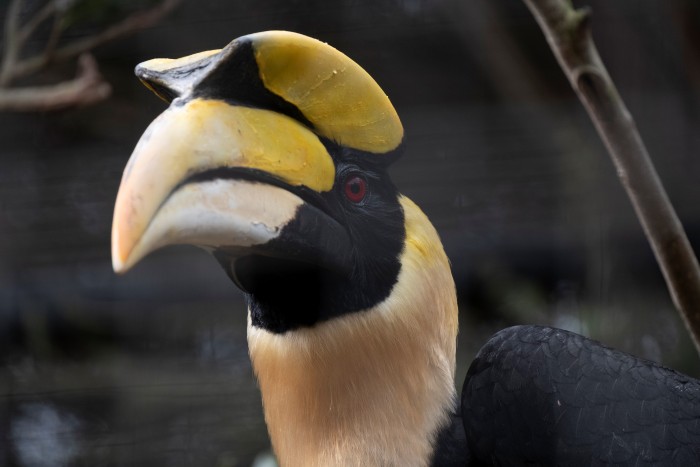
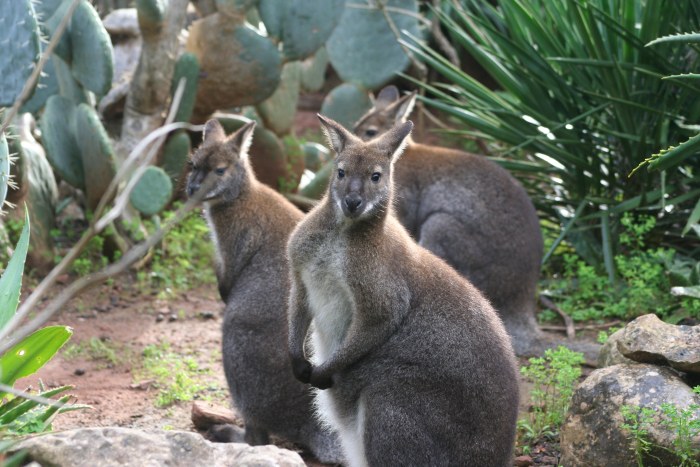
In 2020, this became the first zoo in Portugal to have kangaroos, welcoming a pair of eastern greys.
Now, another exciting addition is on the horizon: squirrel monkeys will soon join the park’s residents.
These small primates, with their short brownish fur and tails longer than their bodies, originate from the tropical forests of South and Central America.
One of the defining characteristics of Lagos Zoo is the way its spaces have been carefully designed to ensure animal welfare.
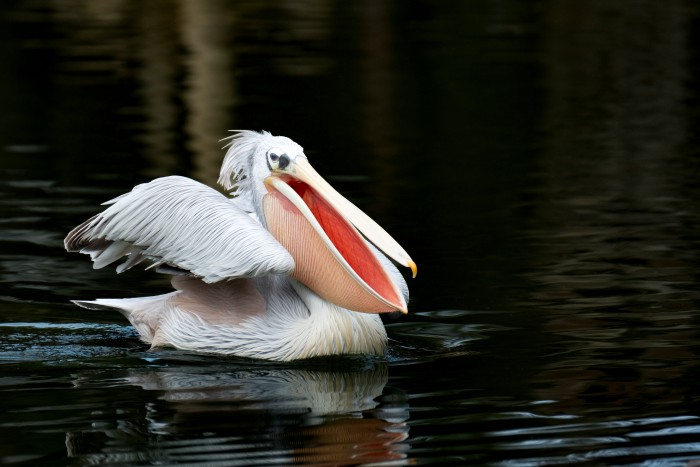
The park’s enclosures are built to resemble their inhabitants’ natural habitats as closely as possible, allowing animals to live in environments adapted to their needs.
At the same time, the zoo places equal emphasis on the visitor experience. Visitors are invited to walk around carefully planned habitats, which allows them to observe animals at close range in surroundings that feel almost barrier-free.
The intention, as Paulo Figueiras explains, is for visitors to feel as though they are “walking through a forest, surrounded by animals”.
Choosing a single highlight within the zoo is no easy task, as each space offers its own sense of discovery. From the primate islands and the flamingo lakes to the bat hall, every section provides a different experience.
Among the most memorable attractions is the reptile tunnel, where visitors will find an impressive Burmese python weighing 180kg and measuring eight metres in length. Experiences like this allow visitors to observe animals up close whilst also learning more about them.
Beyond offering a unique opportunity to encounter wildlife, Lagos Zoo also seeks to inspire visitors to develop a deeper appreciation for the natural world.
Throughout the park, educational messages encourage people to “respect the planet and discover how wonderful nature is”, whilst providing insights into different species and their habitats.
The zoo’s approach combines entertainment with learning, inviting visitors of all ages to reflect on the importance of protecting biodiversity.
A genuine appreciation for animals is almost essential for anyone hoping to make the most of a day at the zoo, and although each visitor is free to explore the park at their own pace, following a route shaped by personal curiosity, a sense of harmony runs throughout the experience.
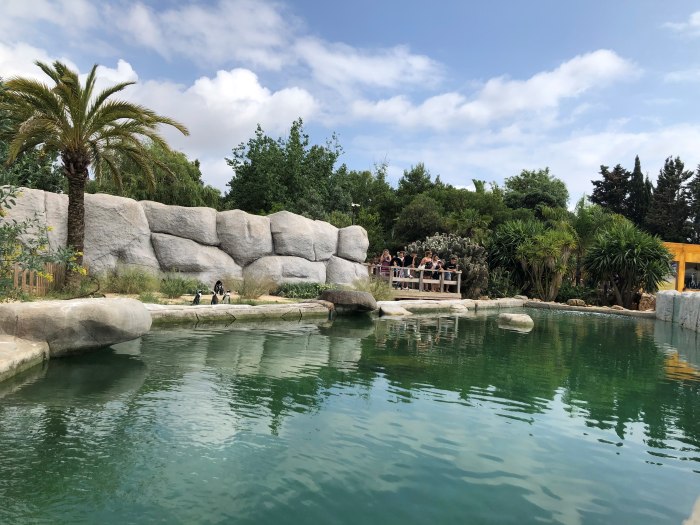
Visitors can also watch penguins swimming through underwater viewing areas, wander through the landscaped grounds or attend feeding sessions for selected species.
Meanwhile the zoo’s swimming pool provides a welcome opportunity to cool off during the hottest days. During their visit, they can take a break at the Medusa café for refreshments, ice cream or a light meal. Those looking for a more substantial option can stop for lunch at the Cangalho restaurant.
Alongside its role as a leisure destination, Lagos Zoo remains strongly committed to conservation.
According to Paulo Figueiras, the park continues to focus on contributing to the protection of nature and supporting an increasing number of “in situ conservation projects”.
In 2015, Lagos Zoo became a member of the European Association of Zoos and Aquaria (EAZA), founded in 1992 and comprising more than 400 members.
Later, in 2022, it joined the Iberian Association of Zoos and Aquariums, established in 1988 and currently representing around 50 members.
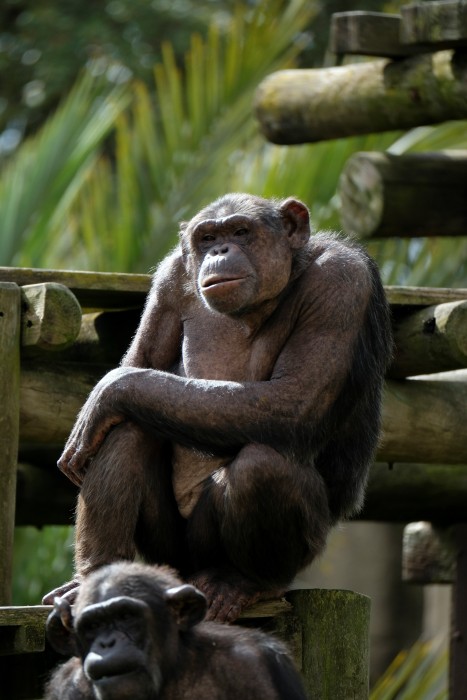
With clearly defined goals and many of its species listed as threatened with extinction, the zoo currently participates in around 70 captive breeding programmes designed to help preserve endangered animals.
“At the moment, the most important is the Socorro dove, which is extinct in the wild and we are breeding it to repopulate the island,” reveals the zoo director. Native to Socorro Island in Mexico, this bird was last recorded in the wild in 1972. Its disappearance was largely caused by habitat destruction and the introduction of invasive species.
Lagos Zoo is also involved in other initiatives aimed at supporting wildlife conservation, having recently donated a GPS device for a greater adjutant stork that was released in Cambodia.
“This way, we can monitor its movements,” explains Paulo Figueiras.
Another new initiative this year is a collaboration with EAZA as part of the campaign ‘Wetlands for Life’. The project aims to raise funds for the conservation and creation of wetlands, protecting the biodiversity found within these ecosystems whilst also educating and inspiring people to take action in their defence.
Looking to the future, Lagos Zoo continues to pursue new ideas and projects. New ventures are already in the pipeline, including the construction of an African Savannah habitat, which is expected to begin soon.
Improvements to existing areas are also planned, as the park requires ongoing maintenance and development to ensure the best possible conditions for both animals and visitors.
Follow Inside Algarve Magazine on Instagram and Facebook for more news!
Read also: